A strong brand identity is what separates businesses customers remember from those they scroll past. The right approach to branding can shift how people perceive your company, build loyalty, and grow revenue — but finding tactics that actually move the needle is the hard part.
This guide covers practical branding ideas you can put to work right now, from visual identity and content to packaging and partnerships. Whether you run a small business or an established company, the goal here is the same: tactics that work, explained without filler.
Why Branding Matters for Business Growth
Branding is more than a logo or color palette. It is the sum of every interaction a customer has with your company, from the first search result to the unboxing experience. Done well, it builds recognition, earns trust, and sets you apart from competitors.
This matters most for smaller businesses. Without enterprise marketing budgets, SMBs need brand work that punches above its weight. A clear, consistent identity can level the playing field against much larger competitors.
Consumers are significantly more likely to buy from a brand they recognize, and consistent brand presentation across platforms has been linked to revenue increases of around 23%. The companies that invest deliberately in their brand are the ones that compound growth over time.
15 Branding Ideas to Strengthen Your Business

Organized from foundational elements to advanced strategies.
1. Design a Memorable, Versatile Logo
Your logo is usually the first visual element a potential customer sees. A strong one is simple, scalable, and recognizable at any size — from a favicon to a billboard — and communicates your category and values without needing explanation.
When designing or refreshing yours, test for versatility: full color, single color, reversed on dark, and at very small sizes. If your current mark fails any of those, it may be time for a logo redesign.
2. Develop a Complete Brand Style Guide
A brand style guide is the rulebook that keeps every piece of content, social post, and customer touchpoint consistent. It defines color, typography, logo usage, tone of voice, and imagery style.
Without one, branding fragments. Different team members make different choices, and the brand loses coherence. A documented guide is one of the highest-leverage things you can put in place — it pays dividends every day your team produces work.
3. Invest in Personalized Content
Content is still the backbone of digital branding, but generic content no longer cuts through. The effective approach is personalized: messaging tailored to specific audience segments based on their pain points and buying stage.
Go beyond generic blog posts. Speak directly to your ideal customer in their language, address their actual challenges, and offer solutions that feel custom-made. For inspiration, see these content marketing examples.
4. Build a Strategic Social Media Presence
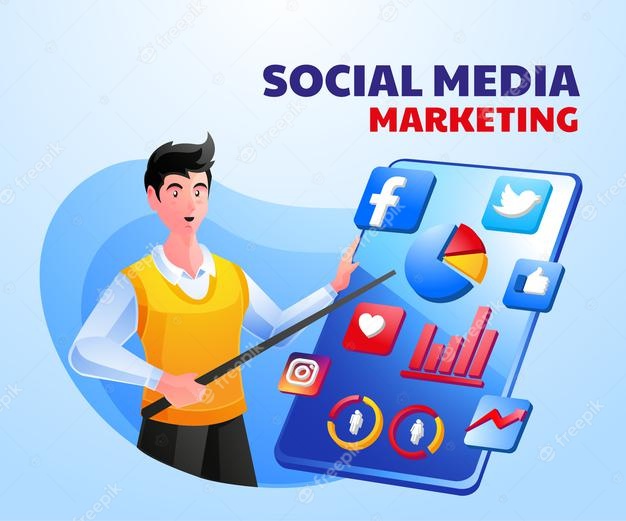
Social media is non-negotiable in 2026, but being on every platform matters less than being strategic about which ones you choose and how you show up.
Identify where your target audience actually spends time, then create platform-specific content that fits each native format while staying true to your voice. A solid grounding in social media best practices will get you most of the way there.
5. Create Short, Impactful Brand Videos
Video keeps dominating consumption across every major platform. Short-form clips under two minutes let you tell your story, demonstrate products, and connect emotionally in ways text and images cannot.
Lead with value, not a sales pitch. Tutorials, behind-the-scenes content, customer stories, and quick tips perform best. For format ideas, see these types of videos for your brand.
6. Leverage Influencer Marketing Strategically
Influencer marketing has matured. The most effective play is no longer chasing the biggest names — it’s finding micro-influencers whose audience closely matches your target. These partnerships feel authentic and generate higher engagement at a fraction of the cost.
When choosing partners, prioritize values alignment over follower count. A smaller influencer with a highly engaged, relevant audience will almost always outperform a celebrity endorsement.
7. Design Eye-Catching Product Packaging
Packaging is a branding opportunity many businesses underestimate. In an era of unboxing videos and social sharing, thoughtful packaging extends your brand experience well past the point of purchase.
Consider the full unboxing journey, from the outer shipping box to the inner presentation. Every element should reinforce your identity — for examples, browse this gallery of product packaging design ideas.
8. Launch a Branded Merchandise Program
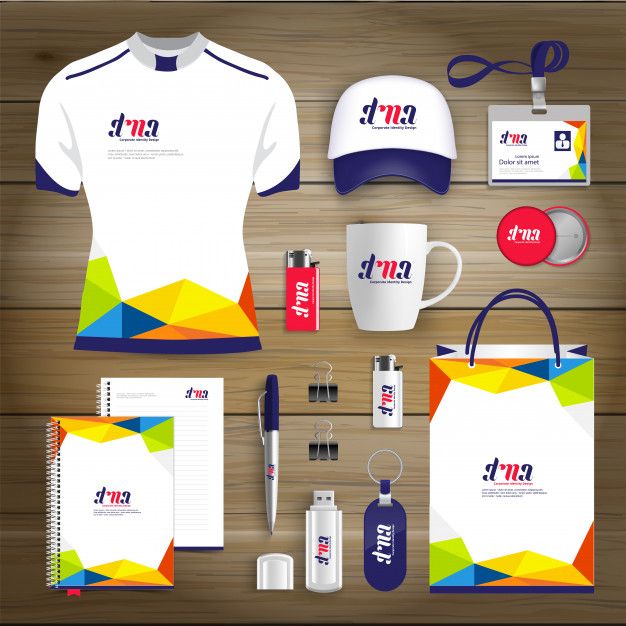
Branded merch turns customers into walking ambassadors. T-shirts, drinkware, tote bags, and stickers are low-cost, high-visibility touchpoints that keep your name in front of potential customers every day.
Quality is the differentiator. Cheap giveaways get thrown out; items people genuinely want to use become conversation starters instead of clutter.
9. Start a Value-Driven Company Blog
Blogging remains one of the most effective organic branding strategies. A well-maintained blog positions your company as an authority, improves SEO, and gives potential customers a reason to keep coming back.
Focus on value, not promotion. Address the questions your audience is actually searching for, share insights and how-to guides that demonstrate genuine expertise, and stick to a consistent publishing schedule.
10. Create a Custom Brand Hashtag
A branded hashtag gives your audience a way to participate in your story. It unifies user-generated content, makes campaigns trackable, and increases discoverability.
Keep it short, memorable, and impossible to misspell. Make sure it isn’t already in heavy use for unrelated topics, then use it consistently across campaigns and feature the best user-generated posts on your own channels.
11. Optimize Your Email Marketing
Email consistently delivers one of the highest ROIs of any marketing channel — but only when it’s relevant. Segment your list, personalize your messaging, and provide genuine value in every send.
Build with quality opt-ins, then craft sequences that nurture contacts through the buyer journey with helpful content, exclusive offers, and timely follow-ups.
12. Use Brand Storytelling to Build Emotional Connections
People connect with stories, not features. Brand storytelling turns your company from a faceless entity into a narrative customers want to support. Share your origin, the people behind your products, and the values driving your decisions.
Effective storytelling threads through every touchpoint, from your About page to packaging copy. It creates the emotional hook that gets customers to choose you over competitors at similar price points.
13. Invest in Professional Branding Photography
Stock photos undermine credibility instantly. Custom branding photography gives your business a visual identity that feels authentic and distinctive — images of your team, workspace, products, and processes tell a story stock libraries can’t.
Use them consistently across your website, social profiles, email, and printed materials. A cohesive visual library reinforces recognition at every touchpoint.
14. Explore Co-Branding Partnerships
Strategic co-branding with complementary brands can introduce your business to entirely new audiences. It works best when both brands share values and target demographics but don’t directly compete.
Joint products, collaborative content, shared events, or bundled offerings are all effective formats. The key is making sure both brands benefit equally and the partnership feels natural to both audiences.
15. Adopt Sustainable Branding Practices
Consumers increasingly choose brands that align with their values, and sustainable branding has become a real competitive advantage, not just a trend.
This can range from eco-friendly packaging to transparent supply chains. The important thing is authenticity: don’t claim sustainability you can’t substantiate. Genuine efforts, even small ones, resonate far more than greenwashing.
Branding by Industry
Different industries call for tailored approaches. Here are starting points for some of the most common sectors.
Real Estate
Real estate professionals live on trust and local authority. Lean into hyper-local positioning, a polished personal brand, and strong listing presentation. See these real estate branding ideas for sector-specific tactics.
Fitness and Wellness
Fitness brands need to feel energetic and motivational. Strong visual identity, before-and-after storytelling, and community-driven content all work well — these fitness branding ideas go deeper.
Restaurant and Food
Food brands have to stimulate appetite and convey quality. Photography, packaging, and a distinctive voice carry most of the weight. For tactics, see these restaurant brand marketing ideas.
Financial Services
Finance brands have to project trust, stability, and expertise. Conservative design choices, clear language, and credibility signals (certifications, client logos, case studies) do the heavy lifting. See these financial branding ideas for direction.
Construction
Construction brands benefit from bold, trustworthy positioning, strong portfolio photography, and clear service categorization. See these construction website ideas for an example of doing it well.
Branding on a Small Budget
Not every initiative needs a large budget. These are high-impact moves that deliver results without breaking the bank:
- Claim and optimize your Google Business Profile with consistent branding, photos, and updated information.
- Use free design tools like Canva to maintain visual consistency across social while you grow.
- Develop a referral program that turns satisfied customers into brand advocates.
- Partner with local businesses for cross-promotions that expand your reach at zero cost.
- Create a signature brand voice and use it consistently in every communication.
- Engage in community events and sponsorships to build local awareness.
- Encourage customers to share photos and reviews to fuel user-generated content.
Conclusion
Building a strong brand isn’t a one-time project — it’s an ongoing commitment to consistency, creativity, and customer connection. The ideas in this guide, from foundational elements like logos and style guides to advanced moves like influencer partnerships and sustainable practices, give you a roadmap regardless of stage.
Start where your brand is weakest, implement changes systematically, and measure as you go. The businesses that invest in thoughtful brand work are the ones that earn lasting customer loyalty.
If you need professional support bringing your brand vision to life, our team can help. Contact us to develop a customized branding strategy.
Latest news you want to know!
Subscribe for cutting-edge design inspiration at Logo Poppin! Elevate your brand with updates on logos, branding, web design, and video animation.

Note that by clicking “subscribe,” users may agree to our privacy policy and consent to Logo Poppin to use your contact data for newsletter purposes.

Logopoppin
Logopoppin is a graphic design agency that specializes in logo designing, web development, video production and advanced branding services. We love to innovate businesses with new age technologies, allowing them to improve their visual reputation.