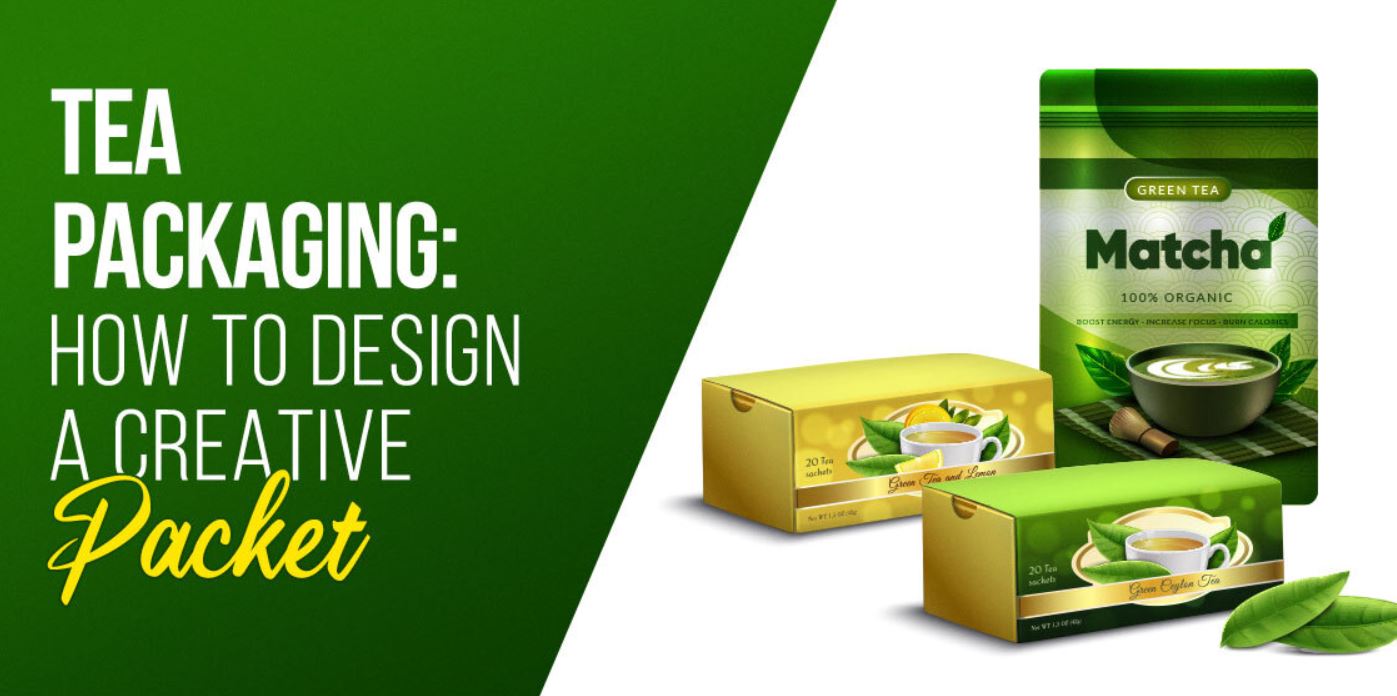
Tea is the most consumed beverage on the planet after water. Global tea revenue continues to climb year after year, and the sheer number of brands fighting for shelf space means one thing: the packaging is often the deciding factor between a sale and a pass. A well-executed tea packaging design does more than hold loose leaves or tea bags in place. It communicates quality, tells a brand story, and triggers an emotional response long before a customer ever tastes the product.
This guide covers everything tea manufacturers, startups, and branding professionals need to know about tea packaging, from selecting the right format and materials to designing a visual identity that converts browsers into buyers.
Tea Branding and Packaging: Why It Matters More Than Ever
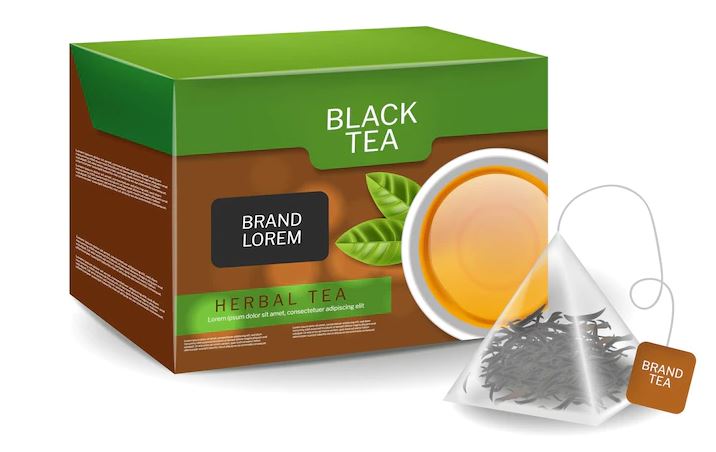
Tea branding and packaging work as a single system. The package is the first physical touchpoint a consumer has with your brand, and in retail environments, it has roughly three seconds to earn attention. A strong brand design translated onto a tea box or pouch creates instant recognition and builds trust over time.
Here is why packaging deserves the same strategic investment as your tea blend itself:
- First impressions are visual. Shoppers scan shelves quickly, and a distinctive package breaks through the noise faster than any tagline.
- Packaging reinforces positioning. A luxury loose-leaf brand needs different visual cues than a mass-market tea bag line. Everything from material weight to typography signals where your brand sits in the market.
- Repeat purchases depend on recognition. Consistent packaging across product lines makes it easy for returning customers to find you and try new flavors.
- Unboxing fuels digital word-of-mouth. Tea brands with visually appealing or clever packaging earn organic shares on social media, extending reach without additional marketing spend.
A tea brand that treats packaging as an afterthought will struggle to compete, regardless of how good the product inside tastes.
Types of Tea Packaging: Choosing the Right Format
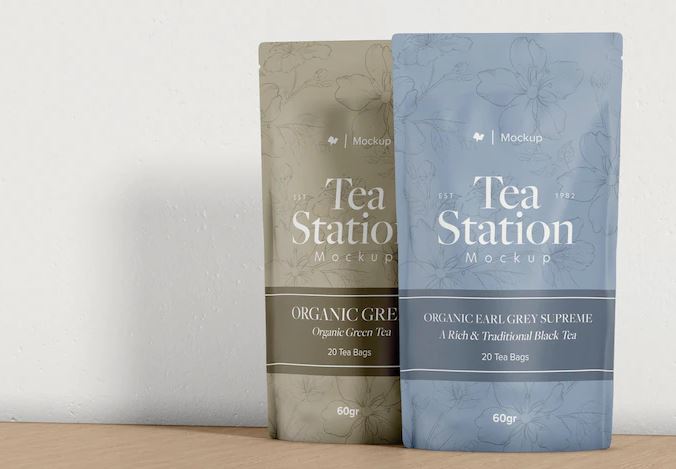
Different types of tea packaging serve different product needs, price points, and consumer expectations. Choosing the right format is a foundational decision that affects shelf appeal, freshness, and shipping costs.
Stand-Up Pouches
Flexible pouches with a flat bottom that stand upright on shelves. They are lightweight, cost-effective, and work well for loose-leaf tea, pyramid bags, and powdered blends like matcha. Most pouches include a resealable zip closure to maintain freshness after opening.
Rigid Cardboard Boxes
The classic format for individually wrapped tea bags. Cardboard boxes offer generous surface area for branding, stack neatly in retail, and feel familiar to consumers. They are widely used by mass-market and mid-range brands.
Metal Tins
Tins communicate premium quality. They protect tea from light, moisture, and air better than most alternatives, making them popular for specialty and gift-market teas. Tins also have strong reuse potential, which appeals to sustainability-minded buyers.
Glass Jars
Transparent packaging lets the tea itself become the visual. Blooming teas and visually striking blends benefit from glass because the customer can see exactly what they are getting. Glass is heavier to ship but creates an elevated unboxing experience.
Single-Serve Sachets and Stick Packs
Individual sachets wrapped in foil or paper are designed for convenience and portion control. They suit hotel amenity lines, subscription boxes, and on-the-go formats.
Wrapped Cakes and Bricks
Traditional formats for aged teas such as pu-erh. These are typically wrapped in cotton paper with a printed ticket or stamp and appeal to collectors and connoisseurs.
The best packaging for tea is the one that protects flavor integrity, fits your price architecture, and reinforces the brand story you are building through your product packaging design strategy.
How to Design Tea Packaging That Sells
Designing a tea package that performs on the shelf and online requires a structured process. Skipping steps leads to rework and missed opportunities. Here is the workflow that professional branding teams follow.
Start With Market and Competitor Research
Before opening a design tool, audit the competitive landscape. Purchase or photograph the top five to ten competing products in your category. Note what works visually, where the gaps are, and which shelf position your packaging needs to win. This research prevents you from accidentally blending in with existing brands.
Define Your Brand Identity System
Lock in your brand style guide before designing the package. This includes your color palette, typography, logo usage rules, and tone of voice. A tea package designed without a style guide risks looking inconsistent across product lines and marketing channels.
Choose a Design Theme That Fits Your Audience
The visual theme should reflect both the product and the target buyer. A wellness-focused herbal tea line might lean toward soft earth tones and hand-drawn botanical illustrations, while an energy-focused matcha brand might use bold gradients and modern sans-serif type. Understanding color meanings and how they trigger emotional responses gives you a strategic edge.
Prioritize Logo Placement
Your logo is the single most important brand element on the package. Follow a clear logo placement guide to ensure it is prominent on the front panel without competing with flavor names or imagery. Poor logo placement is one of the most common branding mistakes in tea packaging.
Design for the Real Shelf, Not Just the Screen
Mockups on a monitor look different from printed packages under fluorescent store lighting. Always order physical prototypes and test them at actual shelf height, beside competitor products. This real-world test catches legibility and color issues that screen previews miss.
Wrap Your Brand in Brilliance - Explore Our Signature Packaging Designs Today!
Contact Now
Creative Tea Packaging Ideas to Inspire Your Next Design
Standing out requires more than a nice color palette. The most successful tea brands are pushing creative boundaries in ways that feel intentional rather than gimmicky. Here are several creative packaging ideas worth exploring.
- Illustrated storytelling: Use custom illustrations that depict the origin of the tea, the farming region, or the brewing ritual. This turns every panel of the box into a narrative.
- Die-cut windows: A small cutout on the front of a box or pouch that reveals the tea leaves inside creates a tactile and visual selling point.
- Modular collections: Design individual flavors with distinct colorways but a shared structural layout so the full collection looks cohesive on a shelf or in a gift set.
- Interactive elements: QR codes that link to brewing guides, playlist pairings, or origin-farm videos add a digital layer to the physical package.
- Minimalist typography: Some brands strip away imagery entirely and let bold, confident typography carry the design, creating a contemporary feel that appeals to design-conscious buyers.
- Textured finishes: Embossing, debossing, soft-touch laminates, and foil stamping add a premium sensory dimension that photographs cannot fully capture.
The goal is not to be different for its own sake but to create a package that communicates something specific about the tea inside and the brand behind it.
Best Packaging for Tea: Materials That Protect and Impress
Tea is sensitive to light, moisture, oxygen, and odor. The wrong material can degrade flavor within weeks. Choosing the best packaging for tea means balancing preservation, cost, and sustainability.
- Kraft paper with foil lining: Combines a natural, artisan appearance on the outside with an airtight barrier on the inside. Popular with specialty and organic brands.
- Aluminum foil pouches: Provide excellent oxygen and moisture barriers. Often used for premium loose-leaf and matcha products that demand maximum freshness.
- Food-grade tinplate: Durable, fully recyclable, and communicates quality. The higher unit cost is justified for gift-tier products.
- Compostable and biodegradable films: A growing category driven by consumer demand for eco-friendly options. Brands investing in compostable packaging earn credibility with environmentally conscious audiences.
- Recycled cardboard: Works well for outer cartons and secondary packaging. Pair it with a separate inner liner to protect the tea itself.
Material choice is also a branding decision. A brand that leads with sustainable branding values should reflect that commitment in every layer of the package, not just in the messaging printed on it.
Unique Tea Packaging: How to Stand Out in a Crowded Market
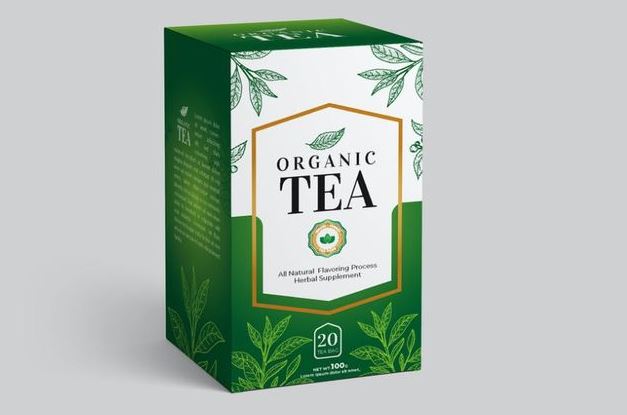
The tea aisle is one of the most visually dense retail environments in grocery. Unique tea packaging is not about being loud; it is about being intentionally different in a way that aligns with your brand.
Strategies that successful brands use to differentiate:
- Unconventional shapes: Triangular boxes, cylindrical tubes, or hexagonal tins break the rectangular monotony and demand a second look.
- Unexpected color palettes: Most tea brands default to greens, browns, and whites. Brands that explore color theory and choose unexpected palettes like deep navy, blush pink, or matte black create immediate visual separation.
- Reusable packaging: Tins designed to be repurposed as storage containers, or cloth bags that double as kitchen accessories, extend the brand’s presence in the customer’s home long after the tea is gone.
- Limited-edition seasonal runs: Rotating packaging designs for seasonal collections creates urgency and gives loyal customers a reason to collect.
- Collaboration designs: Partnering with illustrators, local artists, or other brands for co-branded packaging generates press coverage and cross-audience exposure.
Uniqueness should always serve a strategic purpose. A memorable package that confuses consumers about what is inside it defeats the point.
Tea Packaging Market: Trends Shaping the Industry
The global tea packaging market is evolving in response to shifting consumer expectations and regulatory pressure. Brands that anticipate these trends position themselves ahead of competitors still reacting to change.
Sustainability as a baseline expectation
Eco-friendly packaging has moved from a differentiator to a minimum requirement for many consumer segments. Brands are reducing plastic use, switching to plant-based inks, and adopting mono-material structures that simplify recycling.
Premiumization of everyday tea
Consumers are trading up from commodity tea bags to whole-leaf and specialty blends, and they expect the packaging to match. This trend is driving demand for higher-quality printing, structural finishes, and materials that communicate craft.
E-commerce-first design
With online tea sales growing rapidly, packaging must now perform in two contexts: on a physical shelf and in a product thumbnail. Brands are simplifying front-panel designs to remain legible at small sizes and investing in unboxing experiences that translate to social media content.
Transparency and traceability
Consumers want to know where their tea comes from. Packaging that includes origin details, farmer profiles, or scannable codes linking to supply-chain data builds trust and justifies premium pricing.
Staying current with graphic design trends and typography trends helps ensure your tea packaging feels contemporary rather than dated.
Common Tea Package Design Mistakes to Avoid
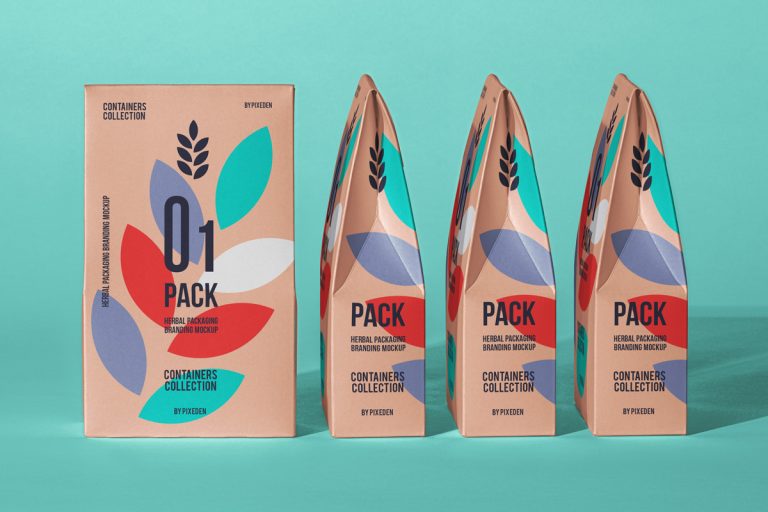
Even well-intentioned tea brands make packaging errors that cost them shelf performance and sales. Here are the most frequent ones.
- Overdesigning the package: Cramming too many patterns, textures, and messages onto a small surface creates visual chaos. Editing down to the essentials is harder but more effective.
- Ignoring legibility at distance: If the brand name and flavor cannot be read from three feet away, the design will underperform in retail.
- Choosing materials based on cost alone: The cheapest material often leads to damaged products, poor shelf presence, and a brand perception that is difficult to reverse.
- Neglecting the back panel: Many brands pour effort into the front and treat the back as a regulatory dumping ground. The back panel is prime real estate for storytelling, brewing instructions, and cross-selling other flavors.
- Inconsistent branding across SKUs: Each flavor in a tea line should feel like part of a family. If every SKU looks like it belongs to a different brand, the line loses collective shelf power.
Working with an experienced branding agency can help you avoid these pitfalls and build a packaging system that scales as your product line grows.
How Tea Packaging Fits Into Starting a Tea Business
For entrepreneurs exploring how to start a tea business, packaging decisions come earlier than most people expect. Before you finalize a supplier or build a website, you need to know what format your tea will ship in, what regulatory information must appear on the label, and what your packaging unit economics look like at different order quantities.
Key packaging considerations for new tea brands:
- Minimum order quantities (MOQs) vary widely between pouch suppliers and rigid box manufacturers. Flexible pouches typically have lower MOQs, making them a practical first format for startups testing the market.
- Regulatory requirements differ by country and region. Ingredient lists, allergen warnings, net weight, and country of origin are commonly mandatory. Designing label templates with space for this information from the start avoids costly reprints.
- Budget for prototyping. Physical samples reveal problems that screen mockups hide, from color mismatches to structural flaws. Factor at least two rounds of prototyping into your branding package budget.
- Plan for scalability. A packaging design that only works at one SKU count will need a complete overhaul when you expand your line. Build a flexible system from day one.
People Also Ask (FAQs)
| 1. Why tea manufacturing companies always pay attention to packaging design? Tea manufacturing companies precisely focus to create packaging design as per the best market standards. They know that a tea packet or box can offer a huge impact in the minds of shoppers, provided the design has been made perfectly as well. |
| 2. Why is tea packaging important for branding? Tea packaging plays an important role to elevate branding of any company. Its lets the market know about the new tea product and why it is different in taste from others. The promotion of tea hugely depends on the front design, as it always comes first into the notice. |
| 3. How to create a tea packaging design? To create a tea packaging design, you have to first understand the branding requirements of the company. This will help you to choose the correct colors and fonts required for the design. After that, you need to select a design process that can help you to come up with the best results. |
| 4. Which tools should be used in creating a tea packaging design? You can use different types of tools to create a tea packaging design. From Illustrator to CorelDraw, there are variety of options available around with which you can start designing a tea product package. |
| 5. What is tea packaging generally made of? Tea packets are created using different types of materials. It includes cardboard boxes, metal tins, and more others. The selection of these materials depends on the choice of companies in which different factors like cost, quantity and others also come into play. |
Wrapping Up: Invest in Tea Packaging That Works as Hard as Your Product
Tea packaging is not decoration. It is a business tool that influences purchase decisions, shapes brand perception, and protects the product you have worked to develop. Whether you are launching a new tea brand or refreshing an existing line, every element of your package, from the material and structure to the typography and color palette, should be the result of deliberate strategy, not default choices.
Invest the time in research, prototyping, and testing. Study what competitors are doing, then find the gap your brand can own. And if you need help turning a vision into a shelf-ready package, consider partnering with a team that specializes in food branding and packaging design to get it right the first time.
Latest news you want to know!
Subscribe for cutting-edge design inspiration at Logo Poppin! Elevate your brand with updates on logos, branding, web design, and video animation.

Note that by clicking “subscribe,” users may agree to our privacy policy and consent to Logo Poppin to use your contact data for newsletter purposes.

Logopoppin
Logopoppin is a graphic design agency that specializes in logo designing, web development, video production and advanced branding services. We love to innovate businesses with new age technologies, allowing them to improve their visual reputation.