The fitness industry is more crowded than it has ever been. Boutique studios, online coaches, hybrid gyms, supplement brands, wearables, recovery clinics, and personal trainers are all competing for the same attention, and most of them look almost identical. In a market like this, your workouts, your equipment, and even your pricing will not separate you from the next business. Your brand will.
Strong fitness branding is what turns a generic gym into a lifestyle people want to be part of. It is what makes someone choose your online coaching program over the dozens of others in their Instagram feed. And it is what allows you to charge premium prices while competitors race to the bottom on discounts.
This guide walks you through the complete process: what fitness branding actually is, how to build a fitness brand from scratch, the visual and verbal elements that matter most, and a curated list of fitness branding ideas you can apply this year. Whether you are launching a personal training business, opening a gym, or scaling a fitness apparel line, you will leave this article with a clear playbook.
What Is Fitness Branding?

Fitness branding is the deliberate process of shaping how people perceive your fitness business across every touchpoint, from your logo and website to your tone of voice, your class names, the music in your studio, the captions on your reels, and the way your trainers greet members at the door.
It is the sum of every signal you send to the market. Your logo, your slogan, your business name, your colors, your photography style, and your customer experience all combine into one impression in the consumer’s mind. That impression is your brand.
A useful way to think about it: your marketing tells people what you sell. Your branding tells them why they should care. If you want a deeper breakdown, read our piece on the difference between branding and marketing.
Why Strong Branding Matters in the Fitness Industry

Fitness is one of the most emotional purchase categories that exists. Members are not buying treadmills or kettlebells. They are buying confidence, identity, energy, community, and the version of themselves they want to become. A brand that can articulate that promise wins. A brand that focuses on features loses.
Here is what well-built fitness branding actually delivers:
- Premium pricing power. Customers will pay double or triple for a brand that feels aspirational versus a no-name studio with the same equipment.
- Lower customer acquisition cost. A recognisable brand converts cold traffic faster, which means cheaper ads and more organic referrals.
- Member retention. People stay loyal to brands they identify with, even when cheaper alternatives appear.
- Word-of-mouth and social currency. Strong brands get posted, tagged, and recommended. Weak ones do not.
- Resilience. When a recession hits or a new competitor opens across the street, a strong brand survives because the connection runs deeper than price.
If you want to see how influential brand identity can be across categories, our roundup of branding statistics makes the case with hard numbers.
How to Build a Fitness Brand: A Step-by-Step Framework
Whether you are starting a personal training business or launching a full-scale gym, the process of building a fitness brand follows the same disciplined path. Skip steps and you end up with a logo that looks pretty but says nothing.
1. Define Your Niche and Ideal Member
Generic gyms targeting “everyone who wants to get fit” no longer win. The market rewards specificity. Pick a clear lane: women over 40, busy executives, hybrid athletes, postpartum recovery, powerlifters, runners, climbers, beginners intimidated by traditional gyms. Then go deeper. Build a real customer persona that covers age, income, daily routine, fears, goals, the language they use, and the brands they already love.
2. Clarify Your Brand Positioning
Brand positioning is the single sentence that explains why someone should choose you over every alternative. It is not your tagline; it is the strategic foundation underneath it. A clear positioning statement covers who you serve, what category you compete in, what you uniquely offer, and the proof behind it. Study real-world brand positioning examples to see how the best operators have nailed this.
3. Choose a Brand Archetype and Personality
Fitness brands tend to fall into a few archetypes: the Hero (think Nike, motivating you to push limits), the Outlaw (CrossFit, rejecting mainstream fitness), the Caregiver (recovery and wellness brands), the Sage (data-driven coaching), and the Everyman (no-frills, welcoming gyms). Choosing one shapes your tone, your visuals, and your content forever. Our guide to brand archetypes goes deeper, and the related read on brand personality helps you give your archetype a human voice.
4. Pick Your Brand Name
Your name should be short, memorable, easy to spell, and ideally hint at the experience or transformation you deliver. Avoid generic constructions like “Elite Fitness” or “Power Gym” that blend into the background. For inspiration and a structured naming process, see our list of fitness business names.
5. Design the Visual Identity
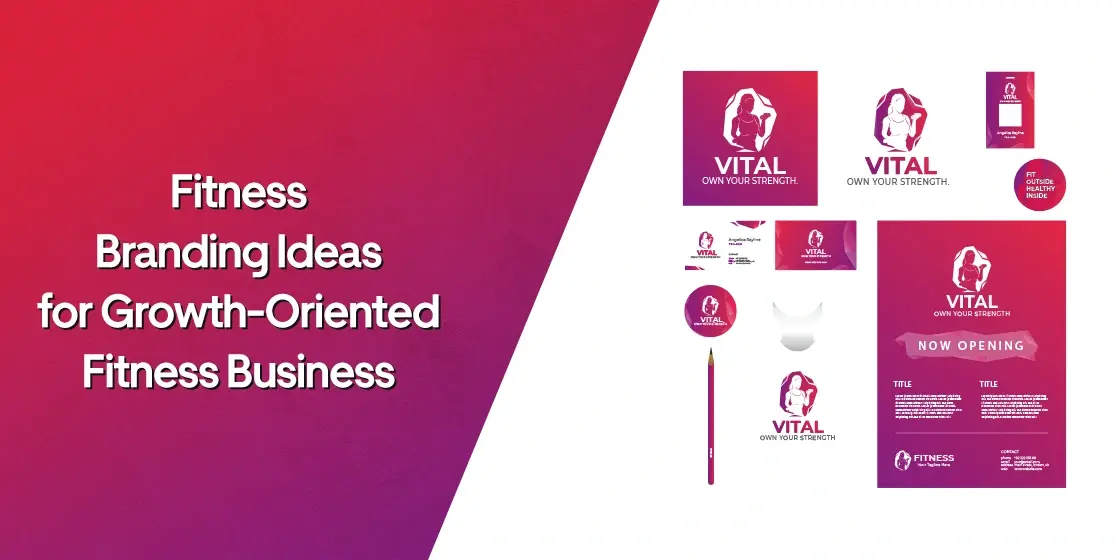
This is where logo, color palette, typography, and photography style come together. Your logo is the anchor; everything else extends it. Hire a professional designer or work with a branding agency if budget allows, because cheap logos signal a cheap brand. Explore our fitness logo design inspiration to see what “good” looks like in this category.
6. Develop Your Brand Voice and Messaging
Your voice is how your brand sounds in writing, in spoken content, in app notifications, even in the way your team answers the phone. Document it. Are you direct and intense? Warm and supportive? Playful and irreverent? Pick three to five adjectives and stick to them in every caption, email, and ad. Strong brand storytelling is what makes the voice memorable rather than forgettable.
7. Document Everything in a Brand Style Guide
Once the pieces are in place, lock them down in a written brand style guide. This document covers logo usage, color codes, typography rules, photography direction, voice guidelines, and do-not-do examples. It is the single source of truth that keeps your brand consistent as you scale, hire designers, work with agencies, and brief content creators. A full branding package usually bundles the guide with all the asset files you need.
8. Launch, Measure, Refine
Brands are not built and forgotten. Track recall, sentiment, and conversion. Listen to how members describe you in reviews and on social. If the words coming back do not match the brand you intended, you have either a positioning problem or an execution problem. Adjust accordingly.
The Visual Foundations: Logo, Colors, and Typography

Fitness Logo Design
A fitness logo needs to communicate energy, strength, or transformation without being a cliche dumbbell silhouette. The best fitness logos in the market today lean on bold sans-serif wordmarks, geometric symbols, or abstract marks that suggest movement. Avoid overused motifs (the flexing arm, the generic flame, the barbell man) unless you have a fresh take on them. For a deep visual library, browse our fitness logo ideas and the broader breakdown of logo types.
Best Colors for a Fitness Brand
Color choice signals your brand’s emotional tone before anyone reads a word. Here is how the most-used colors perform in fitness:
| Color | Signals | Best Used By |
| Red | Energy, intensity, urgency, power | HIIT studios, CrossFit boxes, combat sports |
| Black | Premium, serious, performance | Luxury gyms, performance apparel, elite coaching |
| Green | Wellness, balance, recovery, nature | Yoga studios, wellness clubs, plant-based supplements |
| Blue | Trust, calm, endurance, water | Swimming, recovery clinics, medical fitness |
| Yellow / Orange | Optimism, energy, accessibility | Beginner-friendly gyms, community fitness, kids classes |
| Purple | Creativity, transformation, premium wellness | Dance studios, mind-body fitness, female-focused brands |
For a deeper breakdown of how color psychology works in logo design, see logo color meanings and the wider guide to color meanings.
Typography
Typography in fitness branding usually leans on strong, geometric sans-serifs that feel athletic and modern. Condensed and italicised cuts suggest motion. Avoid thin, decorative scripts unless you are deliberately positioning at the wellness-and-recovery end of the spectrum. Pair a bold display font with a clean, readable body font and stay consistent across every asset.
15 Fitness Branding Ideas to Grow Your Business in 2026
Below are the fitness branding ideas that are actually moving the needle right now. They are organised from foundational to advanced; you do not need to apply all fifteen on day one, but a healthy mix will give you a serious edge.
1. Build a Signature Member Experience
Your strongest brand asset is not your logo. It is the consistent feeling a member gets every time they interact with you, from the first website visit to the lighting in the locker room. Choreograph that experience deliberately. Decide on the music, the scent, the greeting, the post-workout ritual. Equinox, Barry’s, and SoulCycle all win on experience first and logo second.
2. Treat Your Website as Your Flagship
Members will see your website far more often than your physical space. Treat it accordingly. Fast load times, professional photography, easy class booking, and clear pricing are non-negotiable. For inspiration, browse our roundups of the best fitness websites and gym website design ideas.
3. Lean Into Vertical Video Storytelling
Reels, TikToks, and YouTube Shorts are now the primary discovery surface for fitness consumers. Build a content engine around member transformations, behind-the-scenes coach footage, quick technique tips, and day-in-the-life clips. Authenticity wins; over-produced content loses.
4. Develop a Strong Social Media Voice
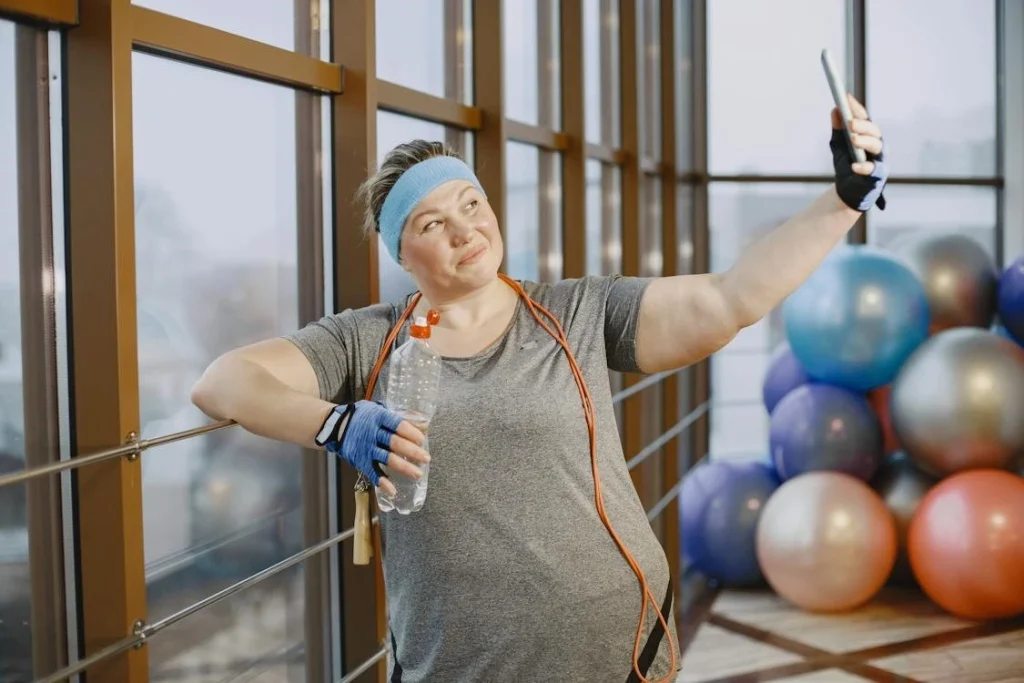
Pick a consistent tone and stick to it across Instagram, TikTok, and YouTube. Comment on culture, reply to every DM, and treat your social channels as a community rather than a billboard. Our social media best practices guide covers the operational side in detail.
5. Run Email Marketing Like a Media Brand
Email still converts better than almost any other channel in fitness. Segment your list by member type (active, lapsed, prospect), send weekly value-led newsletters, and reserve promotional emails for moments that earn attention. A short subject line and a single clear call-to-action almost always beat a long, design-heavy template.
6. Use Targeted Paid Ads to Amplify, Not Replace, the Brand
Meta and Google ads work brilliantly for fitness, but only after the brand foundation is in place. Run geo-targeted lead-gen campaigns for local studios, retargeting for website visitors, and lookalike audiences once you have at least a few hundred customers in your CRM. Track cost-per-trial and lifetime value, not just clicks.
7. Partner With the Right Influencers, Not the Biggest
Micro-influencers (10K to 100K followers) typically deliver better engagement and conversion for fitness brands than mega-creators. Look for genuine alignment with your positioning, not just follower count. Long-term partnerships beat one-off posts every time.
8. Host Signature Events and Challenges
Six-week transformations, charity workouts, member-versus-member challenges, and seasonal events give your brand a rhythm and give members a reason to keep showing up. They also generate enormous amounts of content you can repurpose for months.
9. Build a Branded Apparel and Merch Line
Branded merch turns members into walking billboards. Keep the design quality high; a cheap cotton tee with a slapped-on logo will sit in a drawer. Limited-edition drops generate hype and reinforce the lifestyle dimension of your brand.
Transform Your Business with Professional Logo and Branding Services
Revamp My Brand
10. Create a Memorable Class or Program Naming System
Generic class names (“HIIT 45”, “Strength Circuit”) are forgettable. Branded class names with their own personality (“The Ride”, “FlyWheel”, “Burn 60”) create proprietary intellectual property and make your offering feel one-of-a-kind.
11. Invest in Photography and Video Production
Stock photos of generic models doing squats will undermine an otherwise solid brand instantly. Commission a proper photo and video shoot at least twice a year. Your own members, your own space, your own coaches. This single investment lifts the perceived quality of every other touchpoint.
12. Build a Referral and Loyalty Engine
Existing members are the cheapest acquisition channel you have. Reward referrals with credits, free months, or branded merch. Stack loyalty perks for long-term members so leaving feels like a loss.
13. Develop a Content Hub or Podcast
A blog, podcast, or YouTube channel positions you as an authority rather than just another studio. Pick the format your founder or head coach is most comfortable with and commit to a publishing rhythm for at least twelve months before judging results. Our content marketing examples piece shows what consistency looks like in practice.
14. Encourage and Curate User-Generated Content
Run hashtag campaigns, repost member posts (with permission), and feature transformations on your channels. UGC functions as social proof and amplifies your reach for free.
15. Stay Consistent Across Every Touchpoint
Consistency is the single most underrated lever in branding. Your Instagram, your front door, your invoices, your reception staff, and your app notifications should all feel like the same brand. Anchor everything to your style guide and audit quarterly.
Personal Trainer Branding vs Gym Branding: Where They Differ
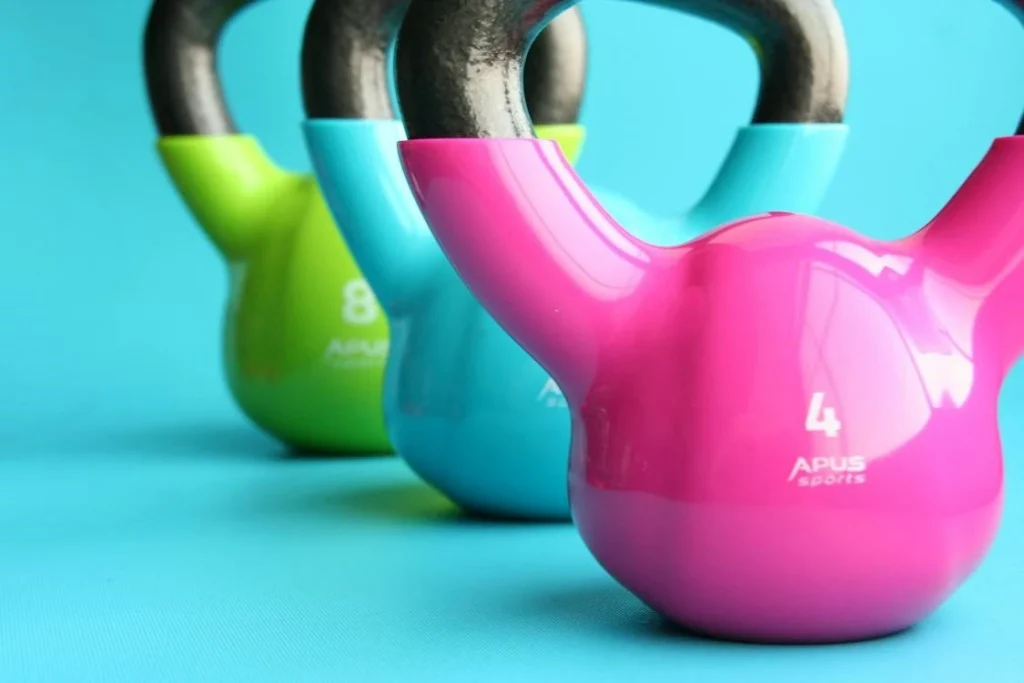
Building a personal fitness brand is fundamentally different from branding a gym. A personal trainer’s brand is built on top of the founder’s identity: their face, voice, results, and personality are the brand. A gym’s brand needs to outlive any single trainer.
For Personal Trainers and Online Coaches
- Lead with your story and your transformation, not generic fitness advice.
- Build a content engine on one or two platforms rather than spreading thin across five.
- Develop a signature methodology or framework with a memorable name.
- Invest in personal photography that reflects your positioning.
- Study real-world personal branding examples outside fitness for fresh ideas.
For Gyms and Studios
- Design a brand system that can scale beyond the founder.
- Invest heavily in physical-space design; it doubles as content and marketing.
- Create a coach development program so every trainer reinforces the same brand standards.
- Build community rituals (member nights, charity workouts, in-house competitions).
- Map every member touchpoint and audit consistency annually.
Common Fitness Branding Mistakes to Avoid

- Copying the market leader. If you look like a budget version of Equinox or Barry’s, you will be treated like one. Differentiation beats imitation.
- Treating the logo as the whole brand. A logo is roughly five percent of branding. The other ninety-five is voice, experience, and consistency.
- Inconsistent visuals. Different fonts on your website, app, and signage signal an amateur operation, even if each individual asset looks good.
- Chasing every trend. Trend-driven brands age fast. Build on durable positioning, then borrow from trends selectively.
- Skipping the strategy step. Jumping straight to logo design without positioning is the single most common, and most expensive, mistake in this industry.
- Underinvesting in photography. Cheap visuals undermine premium positioning instantly. Budget for it.
- Ignoring the offline experience. The smell of the changing rooms, the music in the lobby, and the smile at reception are all brand touchpoints. Treat them that way.
Final Thoughts
The fitness market belongs to the brands that have done the unglamorous work: tight positioning, disciplined visual identity, consistent voice, and an obsessive focus on member experience. The good news is that almost none of your competitors are doing all of this well. The bar is lower than it looks, and the rewards for clearing it are bigger than ever.
Treat your fitness branding ideas not as a one-off project but as a long-term operating system. Build the foundations properly, document them, and let every team member, every coach, and every piece of content reinforce the same story. Do that consistently and you will not have to chase customers; they will find you.
If you are ready to start, our team at Logo Poppin can help with everything from logo design to complete branding packages tailored for fitness businesses.

Logopoppin
Logopoppin is a graphic design agency that specializes in logo designing, web development, video production and advanced branding services. We love to innovate businesses with new age technologies, allowing them to improve their visual reputation.