Launching a business is hard enough without also having to figure out what a branding package actually is, what should be inside one, and how much you should reasonably pay for it. If you have landed here, you are probably somewhere between “I need a logo” and “I need my brand to look like it belongs on a shelf next to companies ten times my size” — and you are looking for a clear checklist rather than another vague overview.
This guide breaks down exactly what a branding package is, every asset a modern package should include, why startups in particular need one before they scale, what a fair price range looks like, and the step-by-step process for putting one together. Whether you are building a brand from scratch or auditing what your current designer delivered, you will finish with a checklist you can actually use.
What Is a Branding Package?
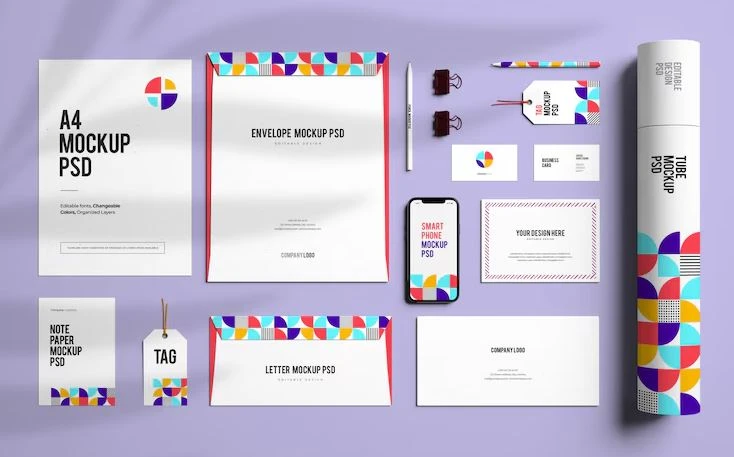
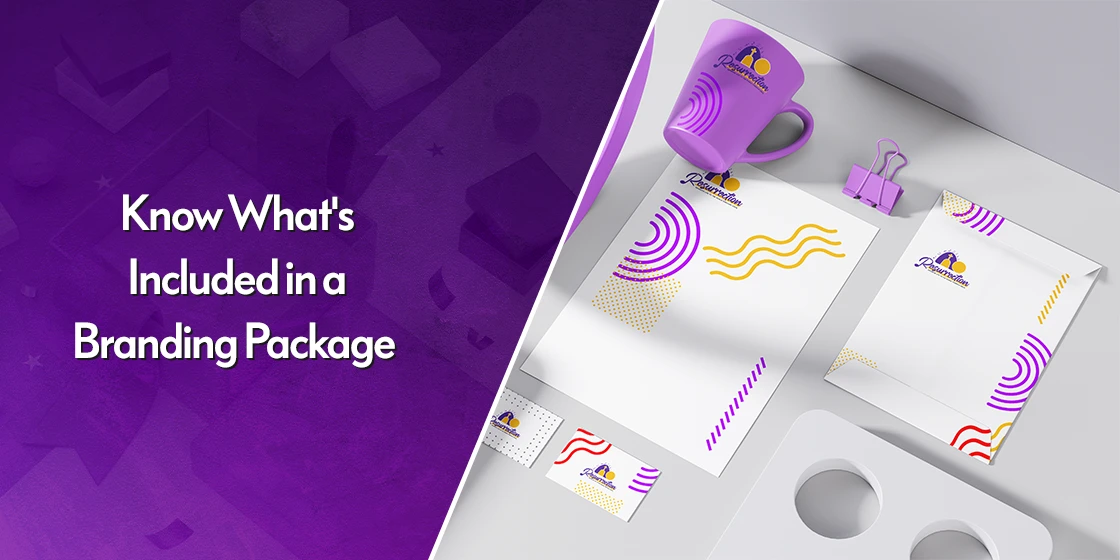
A branding package is a curated set of visual and strategic assets that together define how a business looks, sounds, and feels across every touchpoint. At minimum it includes a logo, a color palette, typography, and a written style guide. A more complete package extends into stationery, social media templates, packaging, and often a website.
Think of it as the operating system for your brand. Every future ad, invoice, landing page, or Instagram post pulls from the same library of colors, fonts, shapes, and rules, so the brand looks consistent no matter who is creating the content. Without that shared library, five different designers will produce five different-looking brands under the same company name — and customers will not recognize any of them as the same business.
Strong branding is not decoration; it is infrastructure. For a deeper look at how the pieces fit together, our guide to branding elements walks through each component in isolation, and branding statistics shows what consistent branding does to revenue and recognition.
Why Startups and Small Businesses Need a Branding Package Early
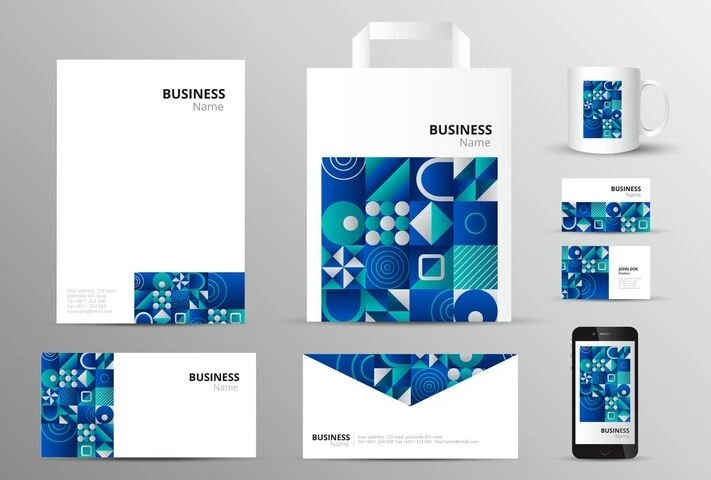
Most founders treat branding as something to “figure out later,” after the product ships or after the first round of funding. The problem is that every day you operate without a proper branding package, you are still branding — just inconsistently. Every pitch deck, invoice, and social post is teaching your market what your company looks like, and if those touchpoints do not match, you are burning recognition instead of building it.
A branding package solves three specific problems for early-stage companies:
- Credibility gap. Buyers judge new companies almost entirely on visual signals because they have no track record to reference. A consistent, considered brand makes a two-person startup look like a serious operation.
- Speed of execution. Once colors, fonts, and templates are locked, your team stops debating design in every meeting. New collateral gets built in hours instead of days.
- Investor and partner trust. A polished brand signals that the founders take the business seriously enough to invest in the details — which is exactly what investors and enterprise clients are looking for.
If you want a startup-specific playbook rather than the generalist version, our branding package tips for startups article covers the trade-offs founders actually face on limited budgets.
What Is Included in a Complete Branding Package?
A complete branding package covers three layers: core identity assets, digital assets, and printable assets. Here is exactly what should be inside each layer.
1. Logo Design (With Full Variations)
Your logo is the anchor of the entire package. A professional deliverable is never just a single file — it is a full family of logo variations designed to work in every environment: horizontal, stacked, icon-only, monochrome, reversed for dark backgrounds, and a favicon for browser tabs.
You should also receive the logo files in every format you will realistically need — vector (AI, SVG, EPS) for print and scaling, plus raster (PNG, JPG) for web use. If you are choosing a designer, our guide on types of logos is worth reading first so you can brief them properly.
2. Brand Style Guide
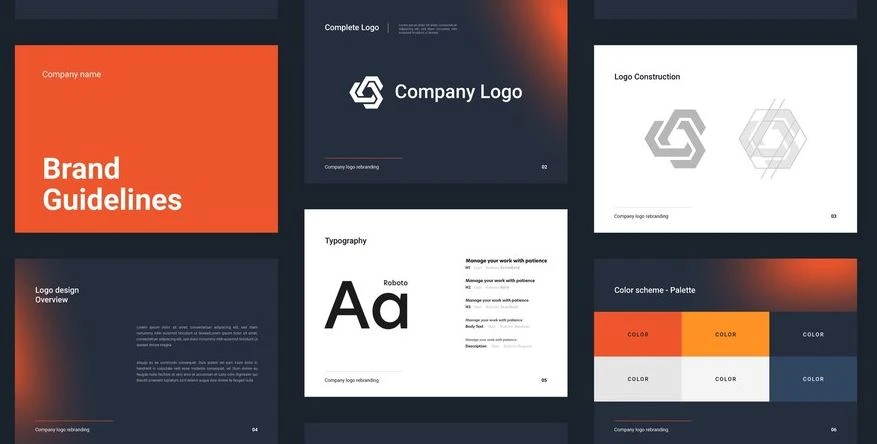
The style guide is the rulebook that keeps everything consistent after the designer hands the files over. A proper brand style guide documents logo usage rules, clear-space and minimum-size requirements, approved and forbidden color combinations, typography hierarchy, tone of voice, and imagery style.
Without this document, every new hire or freelancer will guess — and guessing is how brands drift out of shape within a year of launch.
3. Color Palette
A working color palette is not one hero color; it is a system. Expect a primary color, one or two secondary colors, a set of neutrals for backgrounds and body text, and an accent for calls-to-action. Each color should be documented in HEX, RGB, and CMYK so it renders correctly across screen and print.
If you are still choosing colors, our overview of color combinations and the fundamentals of color theory will help you brief the designer with intent rather than “I like blue.”
4. Typography System
Typography is where amateur branding gets exposed fastest. A complete package specifies a heading font, a body font, and often a display font for hero moments — plus rules for weights, sizes, and line-height. Fonts should be licensed for both web and print use so you never have to swap them later.
Our best logo fonts roundup and the typography checklist cover the practical decisions.
5. Graphic Elements and Iconography
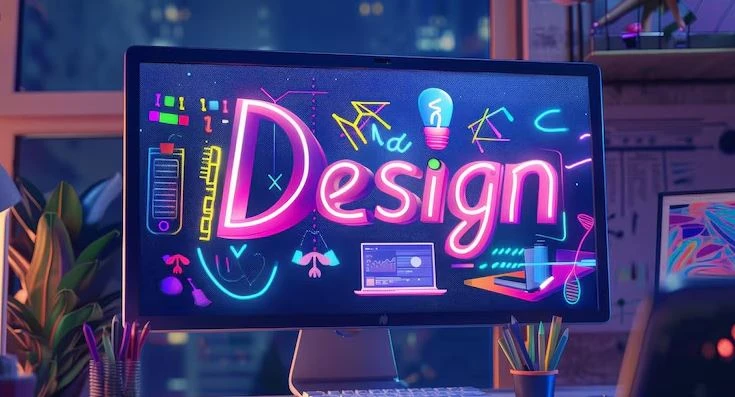
A cohesive brand has a visual vocabulary beyond the logo — patterns, shapes, icon styles, illustration direction, and photography treatments. These are the details that let your Instagram feed, pitch deck, and packaging all feel like they were made by the same company, even when the content is completely different.
6. Social Media Templates
Templates for the platforms you actually use — LinkedIn posts, Instagram carousels, story frames, YouTube thumbnails — save hours every week and keep everything on-brand even when the intern is publishing. A good branding package delivers these as editable Canva or Figma files, not flattened images.
7. Email Signature and Email Templates
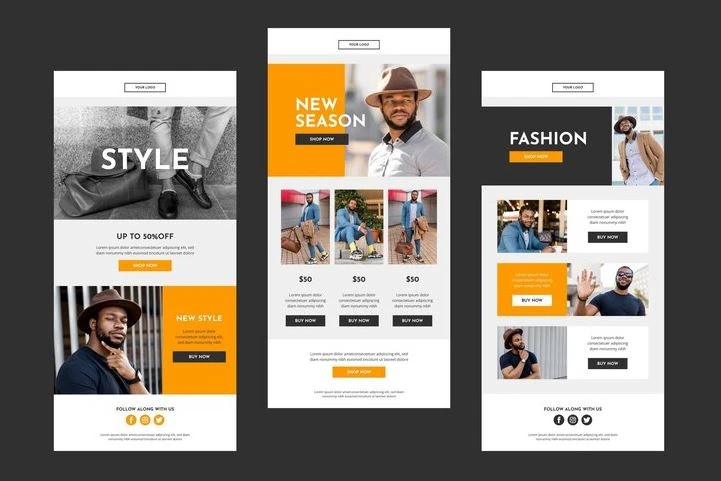
Every email you send is a branded touchpoint. A minimum deliverable is a formatted email signature for the team and one or two newsletter templates that match the brand system, so your marketing emails stop looking like they came from a different company than your website.
8. Website Design
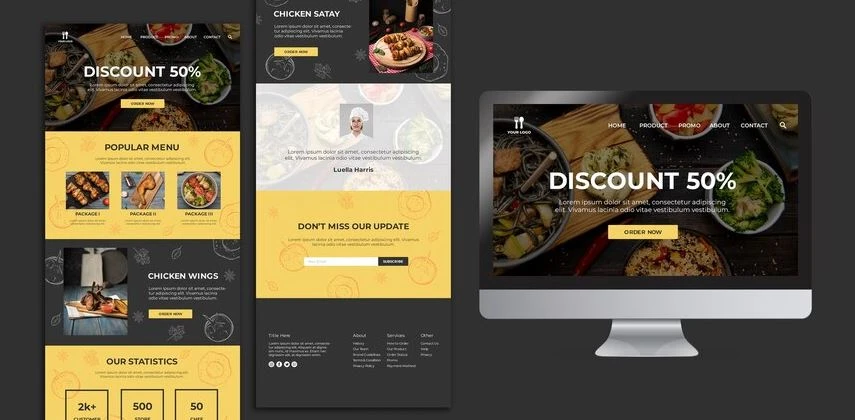
Comprehensive branding packages increasingly include a full website — because a homepage is often the first place a lead actually experiences your brand. At minimum, the package should include a landing-page design that applies the visual system in a real product context, even if you build the full site later.
9. Business Cards
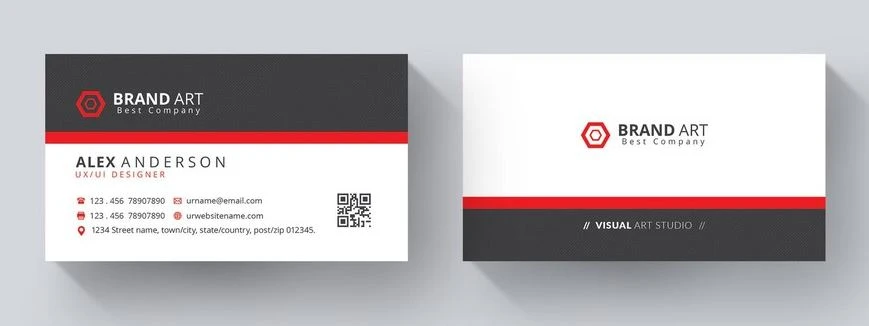
Business cards are still the fastest way to hand someone a physical piece of your brand. A well-designed card carries the logo, palette, and typography into a tactile format that gets kept and re-encountered. Our roundup of business card design and printing services is a useful next stop once your card design is approved.
10. Brochures and Sales Collateral
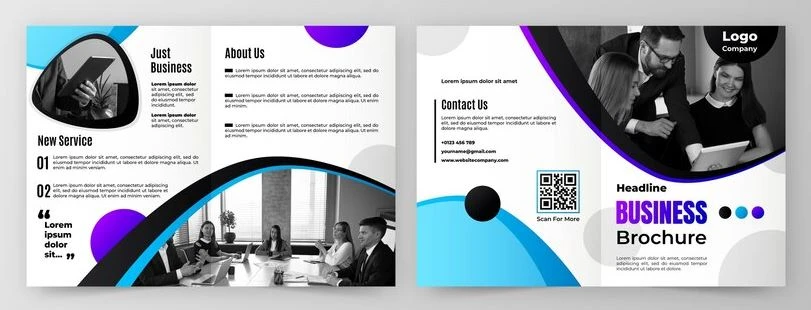
For any business that pitches, sells, or exhibits offline, a branded brochure or one-pager is essential. It gives prospects something to walk away with that keeps selling for you. Our brochure design ideas post has direction if you are briefing a designer.
11. Letterheads
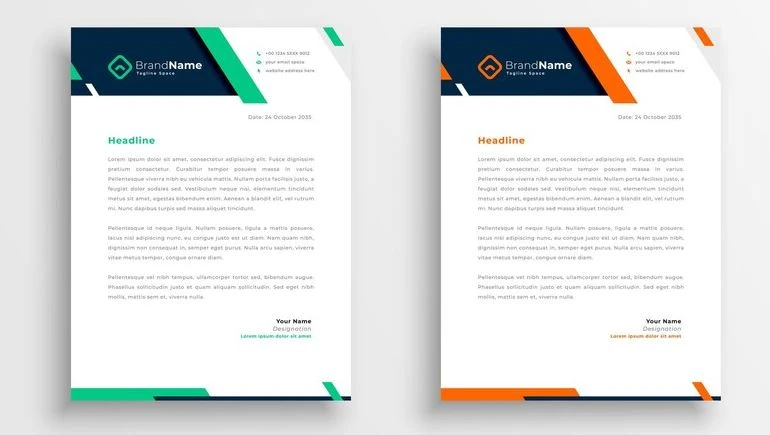
Anything that goes out on official company paper — proposals, contracts, invoices, formal letters — should sit on a branded letterhead. Envelopes matched to the letterhead extend that impression to the moment the recipient first touches your mail. See our guide to business stationery designs for full examples.
12. Envelopes
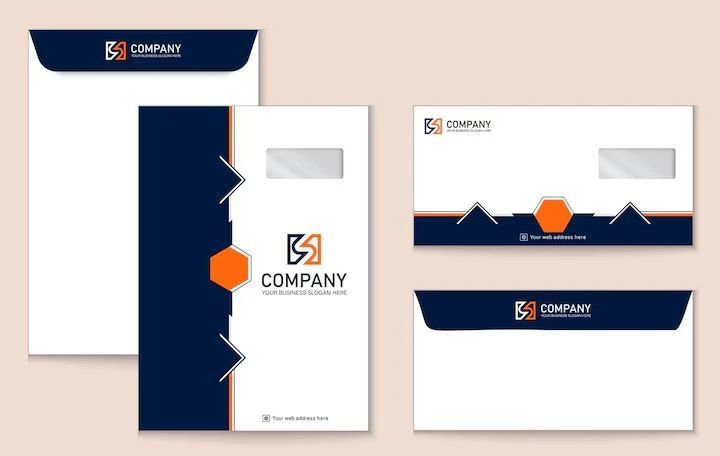
Envelopes play a key role in a branding package by serving as the first physical impression of a business’s communication. When a letter or promotional material is sent in a branded envelope, it sets the tone for the message inside and adds an extra layer of professionalism. A custom-designed envelope, which includes the company logo, color scheme, and other brand elements, ensures that even the outer packaging aligns with the business’s identity.
In addition to proficiency, branded envelopes can help a business stand out and make a memorable impact. The envelope is often the first thing a recipient sees, and an eye-catching, well-designed envelope can grab their attention before they even open it. By incorporating unique design elements or thoughtful details, a branded envelope turns a simple piece of mail into a branded experience, creating a stronger connection with the audience.
12. Packaging (If You Sell a Physical Product)
Product-based businesses should treat packaging as a first-class branding asset, not an afterthought. Packaging is often the single longest interaction a customer has with your visual identity.
Types of Branding Packages: Basic, Standard, and Complete
Not every business needs every asset on day one. Most agencies structure packages into three tiers, and understanding the differences helps you choose without overspending.
Basic Branding Package
Includes the essentials: primary logo, one or two color variations, one font pairing, and a one-page mini style guide. Suitable for pre-revenue startups that need to look credible fast and can layer on more assets after the first customers arrive.
Standard Branding Package
Adds logo variations, a full color and typography system, a proper multi-page style guide, business cards, letterhead, email signature, and social media templates. This is the sweet spot for most funded early-stage companies and small businesses.
Complete or Custom Branding Package
Everything in Standard plus brand strategy work (positioning, voice, messaging), custom illustrations or iconography, packaging design, a full website, and often photography direction. This is the tier for companies raising a serious round or launching into a competitive category where visual differentiation is the moat.
How Much Does a Branding Package Cost?
Branding package pricing varies more than almost any other creative service, because “branding” can mean a Fiverr logo or a six-month engagement with a strategy team. Here is a realistic breakdown of what you should expect to pay at each tier.
Basic Package: $500 – $3,000
Freelance designers and small studios. You get a logo, a color palette, one or two typography choices, and a short style guide. Fast turnaround (one to three weeks) and honest value for pre-revenue startups — as long as you accept it will not include strategy work.
Standard Package: $3,000 – $15,000
Boutique agencies and experienced independent studios. Includes the basic package plus full brand system, stationery, social templates, and often light strategy. Turnaround is typically four to eight weeks. This range covers most funded startups and established small businesses.
Complete Package: $15,000 – $50,000+
Mid-size to established branding agencies. Includes brand strategy, positioning, naming (if required), full identity system, website design, packaging, and rollout support. Timelines run eight to sixteen weeks. Justified when the brand is a competitive weapon rather than just a logo.
A few factors push cost up regardless of tier: rush turnaround, complex industries with regulatory requirements (finance, healthcare), naming and trademark research, and any custom illustration or animation work. If you are also budgeting for the logo alone, our breakdown of how much to charge for a logo gives useful reference points.
How to Create a Branding Package: A 6-Step Process
Whether you are working with an agency or building your own package, the process should follow the same sequence. Skipping steps is why most self-made branding looks self-made.
Step 1: Define the Brand Strategy First
Before a single pixel is designed, you need clarity on what you are actually building. Who is the audience? What do you promise them? What personality does the brand carry? Our guide on how to create a branding strategy walks through the exercises that unlock this. Design without strategy is decoration.
Step 2: Research the Market and Competitors
Audit five to ten competitors: what colors, fonts, and visual moves dominate the category? Your job is not to blend in — it is to be recognizably different while still reading as legitimate. Look at brand positioning examples for how established brands stake out territory.
Step 3: Design the Core Logo and Identity
Start with the logo, then derive the color palette and typography from the direction the logo establishes. Working in this order keeps the system cohesive instead of stitched together from three different design impulses.
Step 4: Build Out the Supporting Assets
Once the core is locked, extend into stationery, templates, and digital assets. Every extension should feel like it belongs to the same family — same rhythm, same restraint, same visual habits.
Step 5: Document Everything in a Style Guide
A style guide the designer keeps in their head is not a style guide. Write it down, include real examples of correct and incorrect usage, and share it with everyone who will ever produce anything under the brand.
Step 6: Roll Out and Enforce Consistency
Apply the new brand across every existing touchpoint — website, social profiles, email signatures, invoices, contracts. Then enforce it. Brands do not fail because of bad design; they fail because nobody defends the design once it ships. See our rebranding examples for how the companies that get this right handle rollout.
Common Mistakes Startups Make With Their First Branding Package
- Buying a logo instead of a system. A $50 logo without variations, fonts, or a style guide is not a branding package. Six months in, you will pay a real designer to rebuild it properly.
- Copying a competitor. If your brand looks like the market leader, buyers assume you are the cheaper imitation. Distinctiveness is the point.
- Trend-chasing. Trend-heavy identities age in eighteen months. Design for a five-year horizon and lean on a modern-but-timeless direction instead.
- Skipping the style guide. Without documented rules, your brand will look different by the end of year one — usually worse.
- Overloading the logo. If your logo needs a paragraph to explain, it will not survive the favicon test. Simplicity is a feature.
Frequently Asked Questions
| What is a branding package? A branding package is a collection of visual and strategic elements that define a company’s identity. It ensures consistency across all marketing materials and helps establish a recognizable and professional brand image. |
| Why companies need a creative branding package? Companies need a creative branding package to establish a unique and memorable identity that resonates with their target audience. It ensures consistency across all platforms, building trust, recognition, and a strong market presence. |
| What are the factors that increases the cost of a branding package? The cost of a branding package increases based on factors such as the complexity and scope of work. Faster turnaround times, the expertise of the design team, and the level of market research required also contribute to higher costs. |
Final Thoughts
A branding package is not a luxury item you buy once you “make it.” It is the foundation that helps you make it, because a coherent brand does more selling for you than any single ad campaign will. For startups and small businesses, the winning move is to invest in the right tier for your stage — basic if you are pre-revenue, standard if you are funded, complete if branding itself is part of your competitive advantage — and then defend the system every day after launch.
Use the checklist in this guide to audit what you have, spot the gaps, and brief your next designer with clarity. If you are ready to build one, our branding ideas and brand design resources are the natural next reads.